Define the incline
Choose the width, base depth and rear height to suit the intended setup. A deeper base with the same height creates a gentler geometric incline.

A triangular foam pillow with a sloping support surface and a tailored cover, made to your dimensions.
Request a quote for this product ↗Guangrao Lianxin Trading Co., Ltd.
In-house design · Fabric sourcing · Sewing teams
Develop a foam wedge pillow for reading, relaxing and supported sitting in bed. The sloping surface, supporting core and fitted textile cover work together to create a distinctive addition to your home-comfort range.
Choose the width, base depth and rear height to suit the intended setup. A deeper base with the same height creates a gentler geometric incline.
Review a single supporting core or a layered concept with an optional comfort layer. Firmness and finished feel are confirmed on the sample.
Specify the surface fabric, zipper, handle and pocket. Develop a removable-cover construction when it is required by your collection.
Coordinate colors, sewn labels, care instructions and packaging for your market, with quantities and specifications reviewed before quotation.
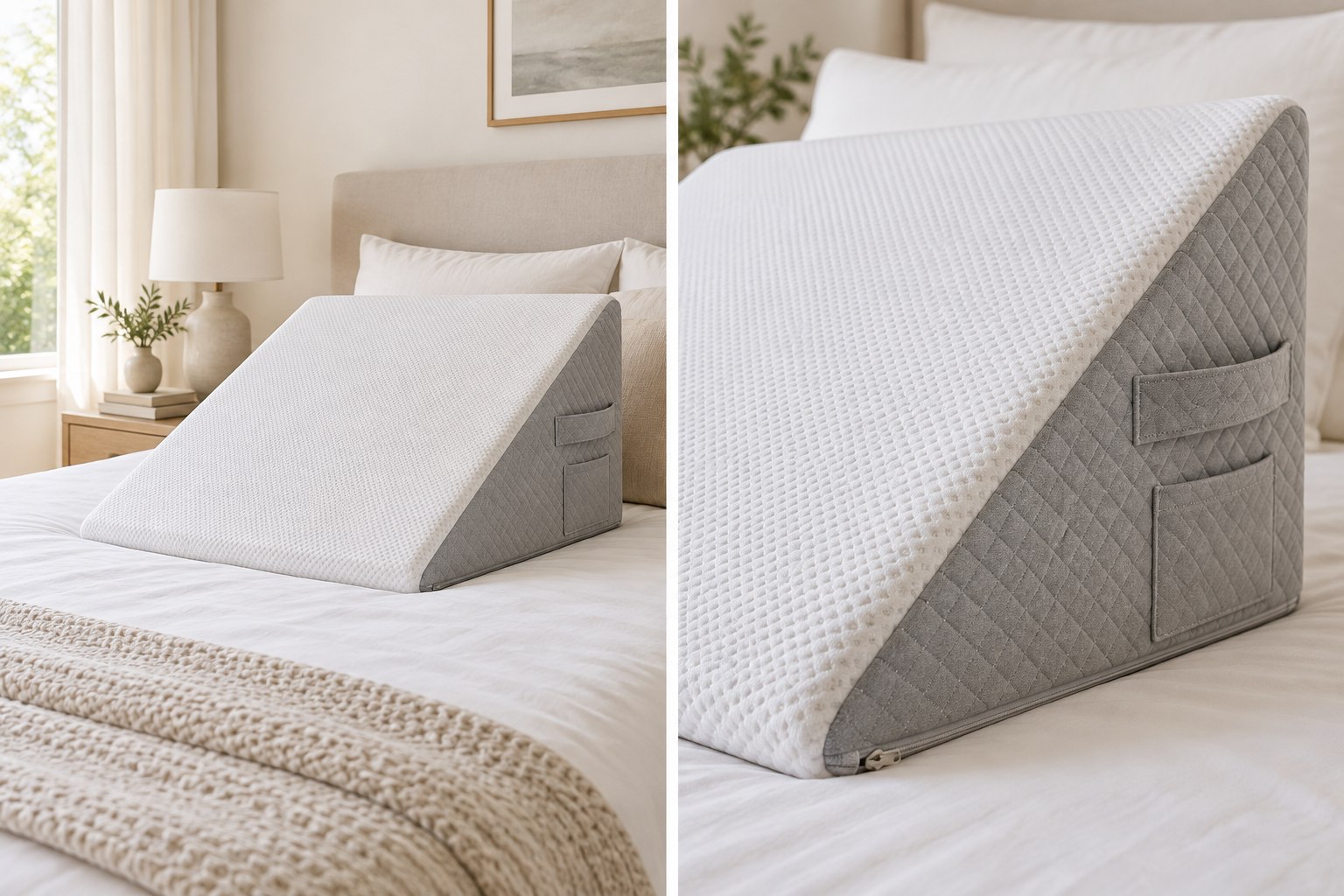
A wedge is more than a triangle. Its front edge, upper surface and rear panel determine how the cover fits and how the pillow sits against the surrounding bedding. Bring us your profile drawing or reference dimensions to develop the complete shape.
For reading and lounging, consider the width of the support area and the space between the headboard and the front edge. Check the sample on the intended bed or seating surface; a soft mattress can change the angle and feel under use.
A reinforced carry handle can help with moving the pillow between rooms. A flat side pocket can hold small everyday items. Specify the preferred side, pocket opening and placement so they suit the way the product will be positioned.
Discuss your wedge design ↗Use the dimensions below as starting points for quotation and sampling. They are custom design references, not a stock list. Width runs across the pillow; base depth is measured horizontally from front to rear; rear height is measured vertically from the supporting surface.
| Width × base depth × rear height | Approx. metric | Geometric incline |
|---|---|---|
| 24 × 24 × 6 in | 61.0 × 61.0 × 15.2 cm | 14.0° |
| 24 × 24 × 8 in | 61.0 × 61.0 × 20.3 cm | 18.4° |
| 24 × 24 × 10 in | 61.0 × 61.0 × 25.4 cm | 22.6° |
| 24 × 24 × 12 in | 61.0 × 61.0 × 30.5 cm | 26.6° |
| Custom dimensions | Send a drawing with front-edge height, curves and tolerances. | |
For example, specify a 60 × 60 cm base with a target rear height of 15, 20, 25 or 30 cm. These are separate metric design examples, not exact equivalents of the inch formats above. Confirm the finished dimensions and quantity for each variant.
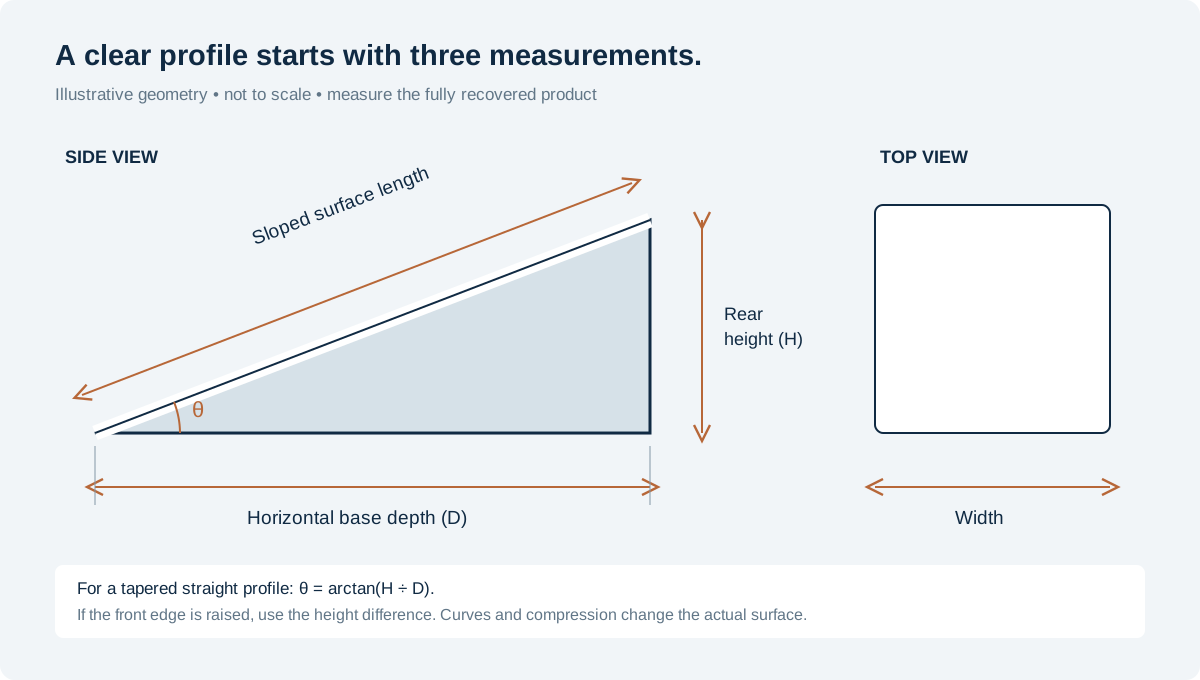
The length along the inclined surface is longer than the horizontal base depth. Label both measurements clearly on your drawing to avoid a mismatch between core and cover.
A thin tapered edge, a rounded nose and a raised front edge need different patterns. Include any edge radius and the height at the low end in the brief.
Measure the recovered product on a flat surface without a load. Agree whether dimensions refer to the foam core or the covered pillow; cover tension and rounded edges affect the reading.
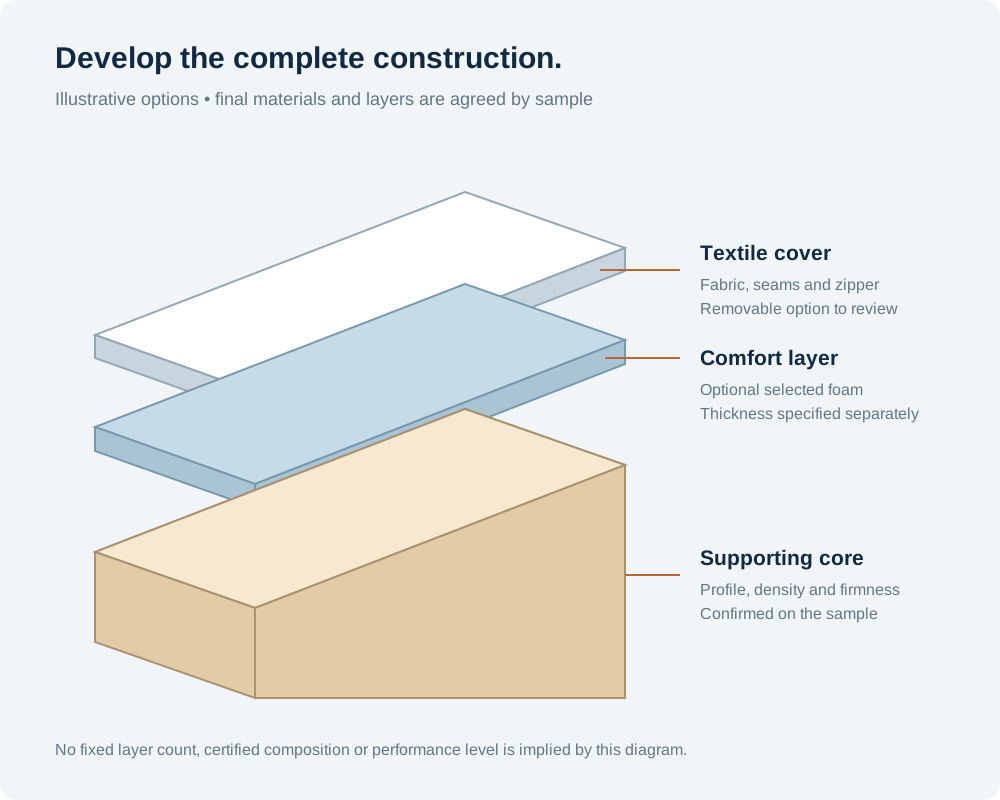
A supporting foam wedge establishes the profile. An optional comfort layer can be developed over it to change the surface feel. Select the complete construction together rather than using thickness or foam density alone as a measure of comfort.
Define the foam type, density and firmness, along with the cutting profile and intended use. Review shape recovery and dimensional consistency on samples. Compression packing must be assessed for the actual construction.
A memory-foam or other selected foam layer may be reviewed for sourcing and sample feasibility. State its thickness separately from the total height. Gel additives, cooling effects and performance figures require confirmation and evidence for the final materials.
Compare knitted, woven or quilted textiles for the top and side panels. Agree the composition, color, closure, seams and any inner liner. For a washable outer cover, define shrinkage allowance and approved care instructions before production.
No specific certification, chemical composition, clinical benefit or quantified cooling performance is claimed by this illustrative construction.
Open the packaging carefully without cutting the fabric or foam. Place the pillow on a flat surface and follow the supplied recovery instructions. Time varies with foam, temperature and packing method; do not assess the dimensions while it is still compressed.
If the approved outer cover is removable and washable, take out the foam first and follow the specified wash and drying method. Do not machine wash or tumble dry the foam core. Let all parts dry fully before reassembly.
Keep the pillow in a clean, dry space away from flames and direct heat. Avoid heavy loads during storage and do not tightly fold the core unless the design permits it. Use the product on a suitable stable surface.
Our in-house design, fabric-sourcing and sewing teams can review the core, cover and presentation as one project. Start with the target use and destination market, then define the details for sampling.
Minimum quantities, sample costs, lead times, carton dimensions and shipping weight are confirmed after the construction and packing method are reviewed.
Start with the available bed or seating space, intended positioning and desired support height. Specify the horizontal base depth, width and rear height together. Compare samples with the intended mattress or supporting surface before confirming the design.
No. Height is a vertical measurement; the incline also depends on the horizontal base depth and the height of the front edge. Our table uses a simplified straight triangular profile. Rounded edges, a raised front edge and compression change the actual surface geometry.
A comfort layer over a supporting foam base can be reviewed as a custom option. Confirm material, density, firmness, layer thickness and bonding method with the sample. Memory foam, gel additives and particular performance levels are not assumed for every product.
A zipped removable cover can be specified. Wash temperature, drying method and shrinkage allowance depend on the approved textile and care label. Remove the foam before washing a washable cover; do not put the foam core in a washing machine.
Yes, include these features in the design brief for review. Agree the handle location, attachment reinforcement and pocket size. A carry handle is intended for moving the product, not lifting or supporting a person.
This page describes a home-comfort product. It makes no claim to treat reflux, snoring, pain or other health conditions. Any clinical use, medical claim or special user requirement needs separate professional assessment and product-specific substantiation.
Compression suitability, carton size and recovery instructions depend on the chosen foam and cover. Confirm these through packing trials. Open carefully, allow the pillow to recover on a flat surface and follow its supplied instructions before judging the final dimensions.
Our design team develops the product details, our purchasing team sources fabrics, and our sewing workforce brings the agreed construction together. Review a sample and confirm the final specification before production.
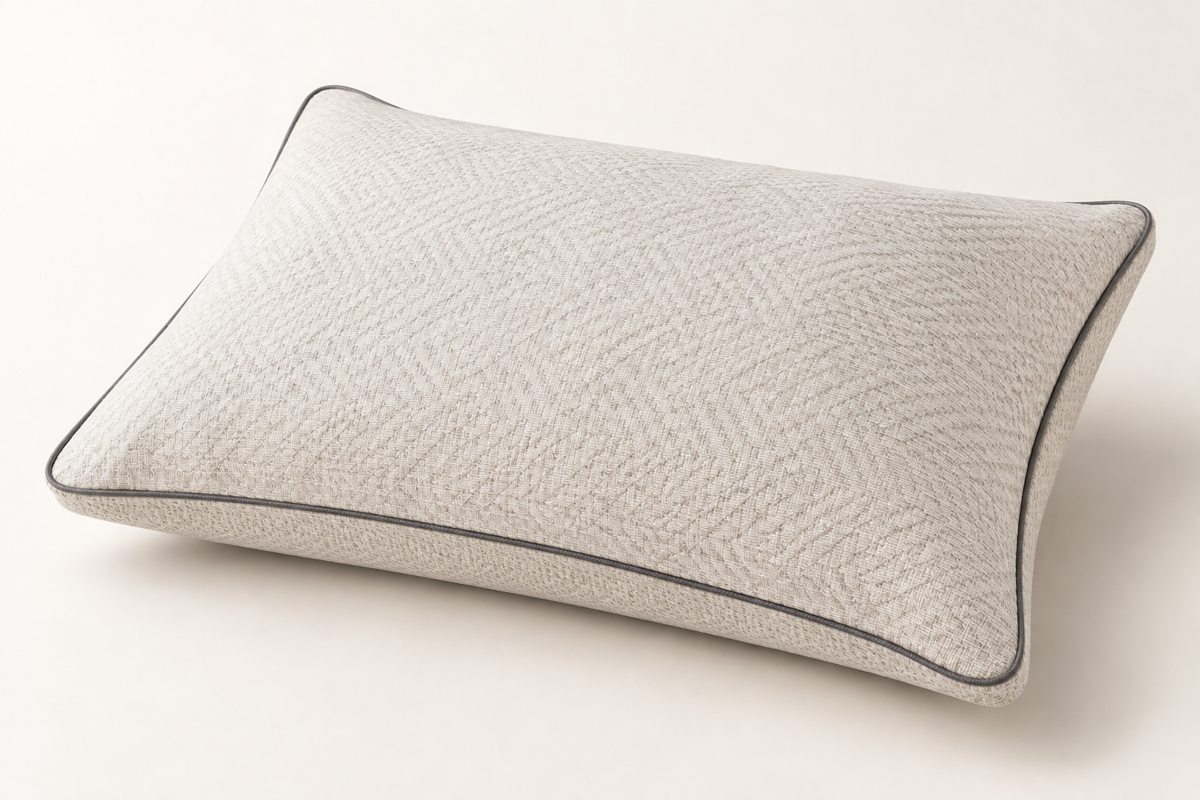
A textile pillow filled with shredded foam, offering a different construction from a solid shaped foam core.
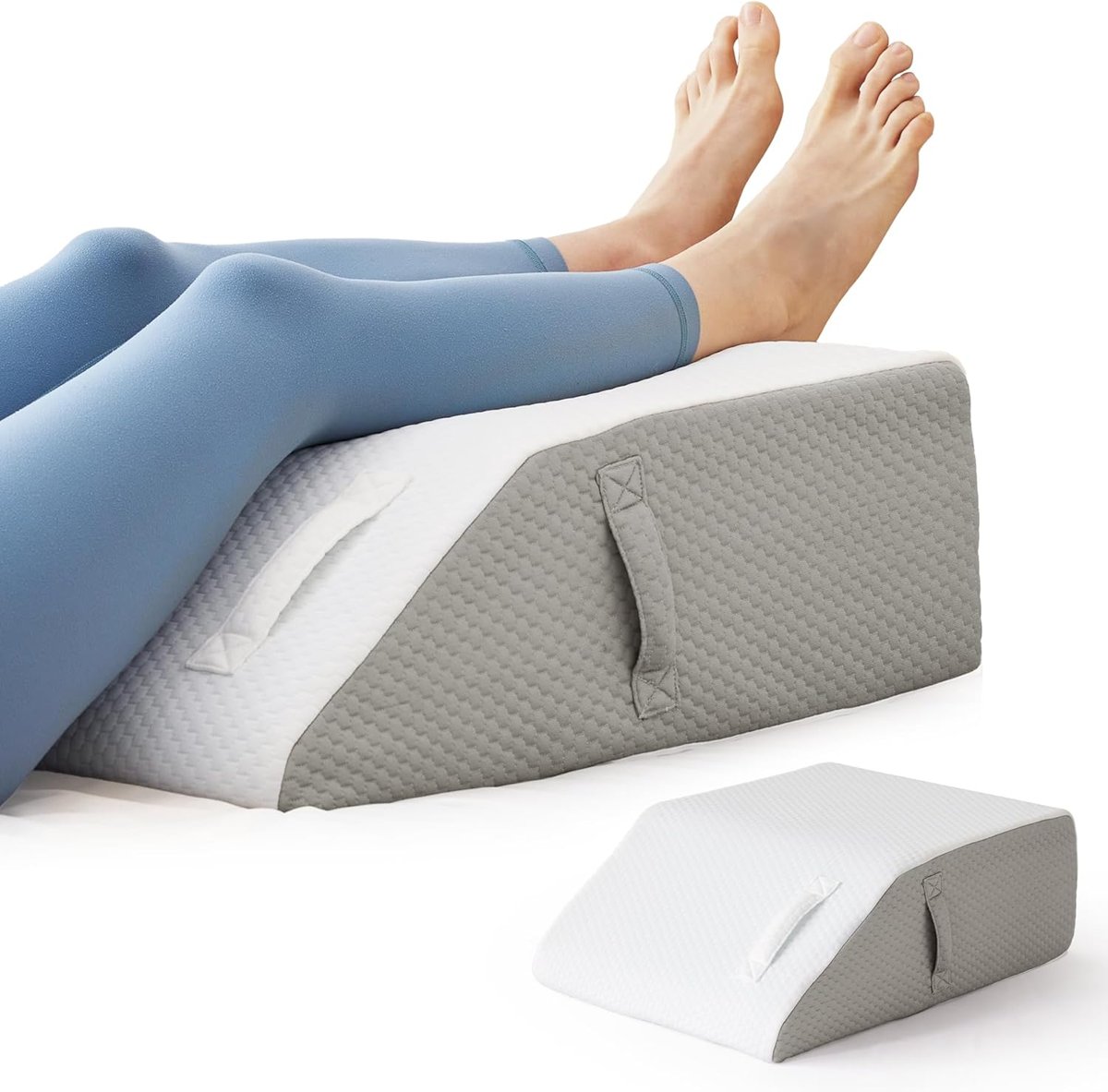
A contoured foam pillow with an elevated resting surface, developed to your required shape and dimensions.
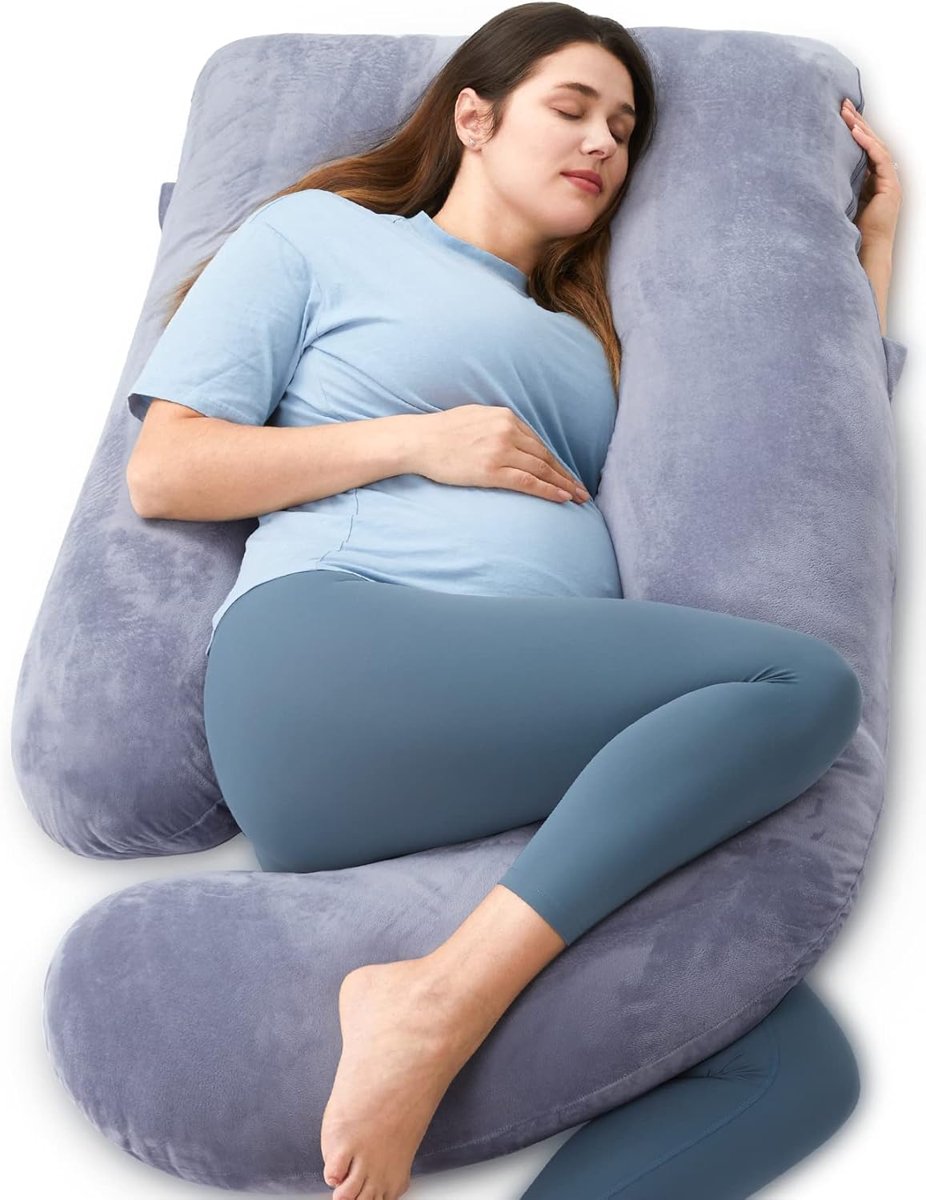
A full-body pillow with a sewn shape and filling specification developed for your pregnancy comfort range.